- Home
- Secrets of Venice
- San Giacomo
Join A Secret Italy
You come to Italy thinking it will be a trip. You leave knowing it was a beginning
San Giacomo Church & Piazza
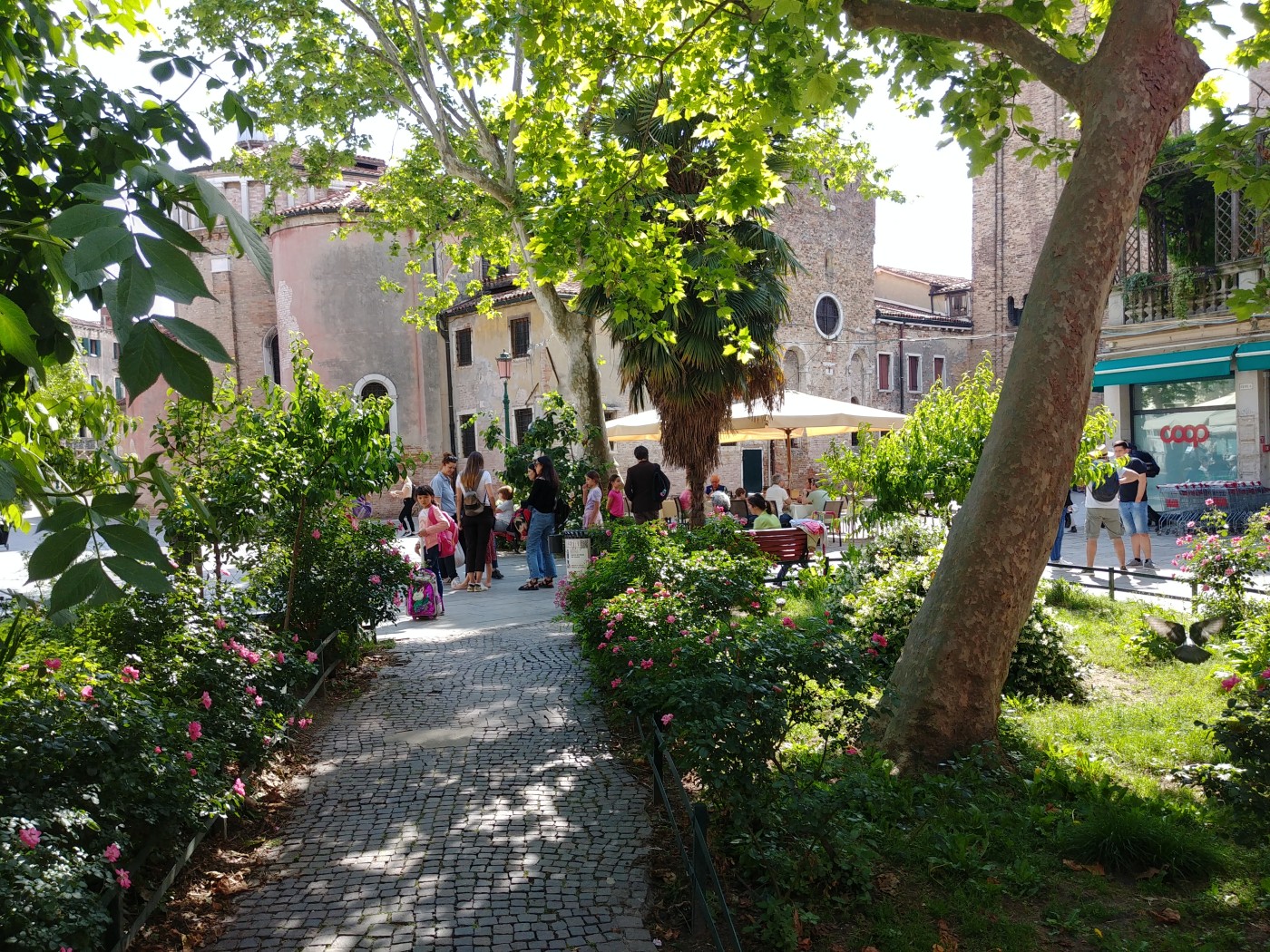
San Giacomo da l'Orio may be a rather plain-looking church, at least on the outside. There is neither glitz nor glamour here, but the church has an austere beauty and contains some very important artwork.
It may not have made our list of the most beautiful churches and cathedrals in Italy, but it is still gorgeous in its simplicity and is actually a very significant church, both from an architectural and artistic point of view; however, for some reason it is not yet on the tourist route.
The Piazza, or Campo, home to the church, is lovely too, filled with real Venetians enjoying the latest gossip, kids playing, and old folks discussing the good old days. I love how the church here is still the heart of the community; locals still attend Sunday Mass and spill out into the piazza after the service. When there are important days, like Palm Sunday, Easter, and Christmas, the piazza becomes almost an extension of the church with events often going on throughout the day and late into the evening.
The video below is a nice little glimpse of life in San Giacomo.
About the Church
The first thing you notice when you step in the door is the very unusual ceiling, particularly once you know the story behind it. It was built of wood from the keel of a ship.
Yet it is not just the impressive ceiling that beckons your attention; the church houses a treasure trove of artistic wonders, drawing connoisseurs and admirers of Venetian Renaissance art from far and wide. Among the most renowned are the exquisite paintings by Jacopo Palma il Giovane and a number of other artists of the Venetian Renaissance. In fact, this church has more important works from this period than nearly any other church in Venice or the Veneto.
Interesting too is the famous green marble column, which was about the only thing the British critic Ruskin liked. It just goes to show how little Ruskin knew about good art!
Other famous works within the church are those by Lorenzo Lotto, Tizianello, and Andrea Schiavone. Perhaps most famous of all are the two chapel canvases by the artist Veronese: the Allegoria della Fede and I Dottori della Fede.
A visit to San Giacomo da l'Orio offers a glimpse into a bygone era, where art and architecture intertwine harmoniously to create a place of divine inspiration. It serves as a living testament to the boundless ingenuity and creativity of humanity, a beacon of artistic brilliance amidst the captivating beauty of Venice.
Make sure you include a visit to this splendid church, one of the most beautiful in Venice, Italy, as well as a few of the other little-known sights of Venice we feature here, on your next visit to Venice.
Getting Here

Take the Waterbus Line number 1 and get off at the Riva di Biasio
stop. From here the church is a short walk away. If you have no idea
where anything is in Venice have a look at
our map page.
Please Book With Us... Maria here; if you enjoy my site, I'd love your support. Simply book your next trip anywhere (not only to Italy) via the link below or with any of the hotel links on the website.
You'll get the best deal available and the income I receive helps me to remain independent and to keep bringing you more of beautiful Italy.
You'll Enjoy These...
Spending Easter in Venice? Here's Everything You Need to Know
Easter in Venice is wonderful, there's a special feeling in the air and Easter is still celebrated in the traditional way. Be a part of it - click for more.
THE Guide to Car Rental in Venice Italy
Car rental in Venice and elsewhere in Italy can turn into a nightmare. Read our 10 essential tips to ensure you avoid that nightmare from happening to you.
Venetian Art - The Most Beautiful Paintings of Venice Italy
Venetian art is world famous and Venice has inspired artists for centuries. I have longed to be able to offer contemporary art that continues that tradition...
Where to Stay in Venice Without Breaking the Bank
Looking for a good value hotel in Venice? We found one right by the Rialto Bridge—affordable, comfortable, and perfect for exploring the city.
Near Venice Awaits the Colorful World of Burano Island
Discover a place where every cottage is a different hue and where each and every color mixes and dances in the reflection off the canals. This is Burano!
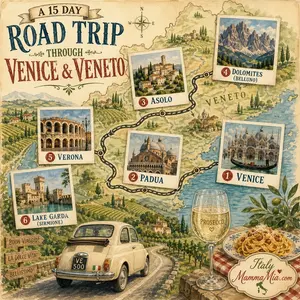
Venice and Veneto Travel Guide: The Itinerary You Can’t Miss
Go further than Venice with our Veneto itinerary—discover medieval towns, wine country, and breathtaking landscapes just a short trip away.
Venice’s Southern Lagoon: Islands, Attractions & Travel Guide
If the hustle and bustle of the usual Venice attractions gets too much, the flamingo-filled Southern Lagoon is a good place to escape to for a few days.
Flights to Venice: The Essentia Bargain Finder Guide
All you need to know about flights to Venice, lots of tips, and an insider guide to the cities of Venice and Verona. However you get here make sure you do.
Frank's Personal Venice: Open your Eyes to the REAL Venice.
Frank's Personal Venice shares the heartbreaking journey of one man, Frank Nelson, and his efforts to understand the city. His moving story is a must-read.
The Metropole Hotel in Venice - what you need to know before you go
The Metropole Hotel in Venice has a perfect location and it is billed as one of the most romantic hotels in Venice. Is this the case? We expose the truth
Venice at Its Best: 6 Experiences That Capture the City's Soul
Visiting Venice soon? Don’t miss these 6 must-do experiences that capture the heart of the city. Here’s the list that’ll make your trip truly unforgettable.
The Ultimate Venice Vacation Rentals
Discover the finest Venice vacation rentals that allow you to experience the city like a local. Explore outdoor markets, cook with local produce, and...
The Wonderful Story of How to Spend a Day in Venice
Arriving in the early morning we spent the entire day in Venice. It didn’t take us long to get lost in Venice’s many twist and turns. Here's what we discovered.
Visiting Burano Island - A Mini-Venice Colored Bright
When the crowds of Venice start getting on your nerves and your mood turns grey that's when you need to color your life bright... with a Burano island visit.
St Marks Basilica - Here is EVERYTHING You Need to Know
St. Mark’s Basilica in Venice explained: history, must-see features, visitor tips, and everything else to help you experience this famous Venice landmark.
Live La Dolce Vita: Curated Venice Tours for an Unforgettable Trip
The best tours of Venice Italy, selected by an insider. Walking tours, gondola trips, St. Mark’s Basilica and even a very creepy ghost tour. We have it all!
Haunted Buildings in Venice - Ca' Dario - 10 Dead
As haunted buildings in Venice go Ca Dario is hard to beat. The number of people who have died after owning this building is shocking. You need to read this
A Beautiful Selection of photos of Venice and elsewhere in Italy
Discovering the real Venice and Italy: personal experiences, tips, and itineraries illustrated by beautiful photos of Venice and elsewhere.
Venice in Winter – Quiet, Misty, Unforgettable
They call it the secret season. A time when Venice returns to the mystical city it has been for centuries. Join us in discovering the magic of winter in Venice.
A Walk Through Jewish Venice: Culture, Memory, Resilience
Time Magazine calls it one of the world’s 100 most important places. The Venice Ghetto will move you—its beauty, sorrow, and hope etched in every stone.
The Bridge of Sighs - A Place of Sadness in the Heart of Venice
Legend has it the Bridge of Sighs was named because it offered prisoners their last view of Venice before execution. I like the legend of eternal love better...
The ESSENTIAL Guide to Buying Murano Glass in Venice Italy or Online.
It is so easy to get ripped off in the shops around St Marks Square and elsewhere in Venice, that's why this Murano glass buying guide is essential reading...
Where to Stay in Venice: Ultimate Guide to Hotels and Neighborhoods
Find out exactly where to stay in Venice with our ultimate guide. Explore the top hotels, neighborhoods, and hidden gems for every type of traveler.
A Guide to the Splendor and Secrets of the Doge’s Palace
The Doges Palace is one of those great buildings that exceed even the highest expectations. On a sunny day the building seems to almost float above the Piazza.
Stunning Photographs of Venice, the Veneto and Italy
These are some of the loveliest photographs of Venice and Italy that I have ever seen. Absolutely stunning is the only way to describe them...enjoy!





More Travel Tips:
- Book your tickets to museums and other attractions in advance on Tiqets.com
- Book your accommodation. Booking.com and Agoda help you to book accommodation in advance
- Book your excursions. Wherever you go, make the most of your time! Excursions with professional guides will help you do this - choose a location and the best option for yourself on Viator or Getyourguide
- Book your car. At least a month before is best. Use Discover Car Hire.
- Cash Back on Flights: Great deals & money back with WayAway
- Get peace of mind when traveling. Get insured with VisitorsCoverage.com
- Home
- Secrets of Venice
- San Giacomo