- Home
- The Italian Real Estate Page
Join A Secret Italy
You come to Italy thinking it will be a trip. You leave knowing it was a beginning
The Essential Guide to Buying Property in Italy
💡 Ditch the roaming fees in Italy. Save 10% on your Saily eSIM with coupon code italymammamia10
We have an IMPORTANT WARNING for those planning on moving to Italy. Click here for more.
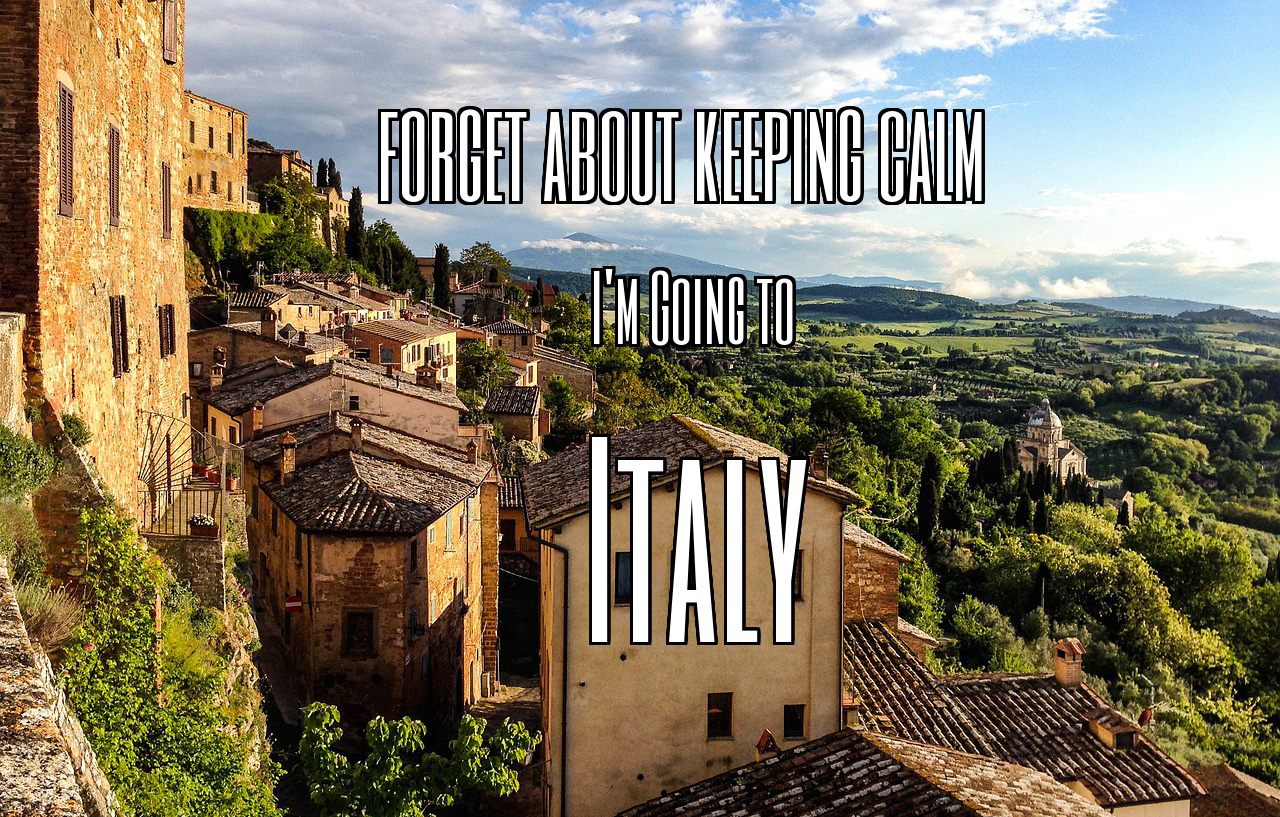
Buying property in Italy can be a dream come true; however, go into it unprepared and the dream can quickly turn into a nightmare.
Andrew (my husband) and I bought our home in Italy after we had lived in this wonderful country for over five years.
To resist that long took a lot; I can't tell you how many times I was tempted to buy a property. We would drive around the Italian countryside, seeing all these marvelous country houses, and be tempted to buy on the spot.
Looking back, I would have burned my fingers rather badly on many occasions, and I am glad I resisted. The good news, though, is that you don't need to wait five years; just make sure you are well prepared and have done as much research as possible beforehand.
The Italian property-buying process is relatively simple, but you need to understand them as well as you possibly can. For advice on what the buying procedure involves, click here.
For things like insuring your home after purchasing it. You can read the home insurance guide here.
We offer more personalized advice to our supporters, so if you aren't yet a supporter, you can discover more about what we offer here.
So where do you start?
Well, the first thing you need to establish is where in Italy you are looking at buying. I can't stress enough how vital it is to spend time in all the regions that meet your requirements. There is no single answer to the question I am often asked, which is this: "Where is the nicest place to live in Italy?" A good place to start, though, is by having a look at my Regions of Italy Guide. It shares vital information about all twenty regions
Make a list of points that are important to you; these can relate to:
- The climate you want. Many places in Italy can be horribly hot in the summer but really cold in the winter.
- Decide if you want to be on or near the coast, or near mountains or lakes.
- If you have young children, you need to decide if you need to be near an English international school or if you'll go with the local schools in Italian.
- Do you prefer living in a city, town, village, or countryside?
- How near you want to be to the shops,
- Will you need a car?
- The quality of healthcare: This is generally a lot better in Northern Italy.
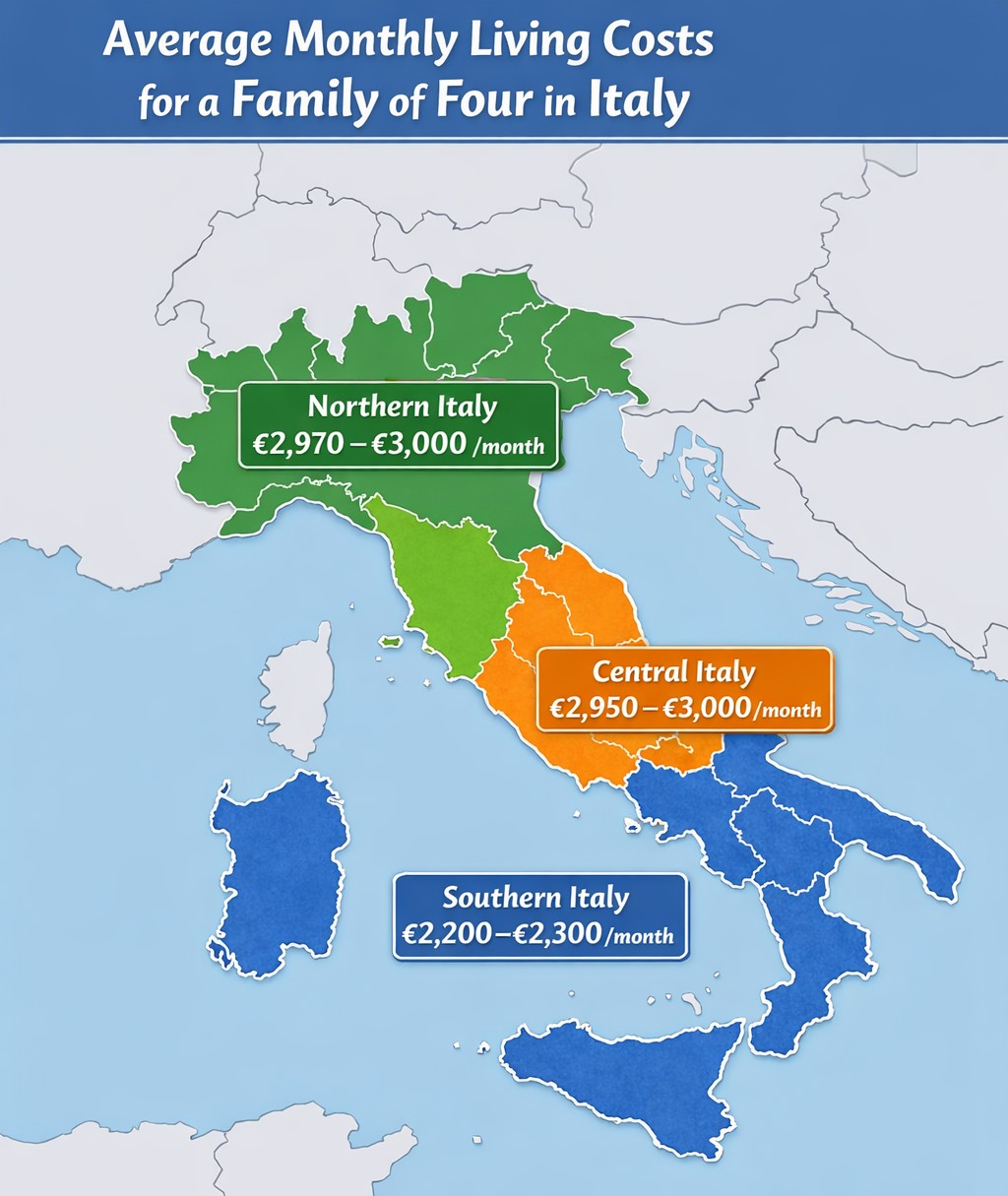
- The cost of living. Cities like Milan, Rome, and Venice can be very expensive; the map below gives you some idea of where your budget would work best. For an explanation of these costs and essential info relating to this, click here.
Cost of Living in Italy
Earthquakes and Volcanoes
Never neglect to look into this—I have friends who lost everything in the Le Marche earthquakes, and because of that, I put together this article about earthquake risk in Italy and this one about volcanoes, which I really recommend you read before starting your real estate search.
Is Italian Real Estate a Smart Investment?
First, decide where the rental returns would be good; normally, a city is best; however, if you want to make a return with short-term rentals through Airbnb, then buying in a touristy city or in a coastal resort town or ski resort is essential. Remember, though, that rentals in resort towns are largely seasonal. Outside of the season, your home will probably be empty. It's not a bad option if you plan to stay there yourself outside of the season.
Lastly, Italy doesn't have a capital gains tax on property that is held for over five years, which is another advantage to buying property in Italy. Things change quickly, though, especially tax rules in Italy, so do your research and speak to your tax professional.
A few thoughts...
No doubt some points on my list may not be important to everyone; for example, I wanted to buy a home within walking distance of a weekly outdoor market, on the bus route, and near a good school. Still, it worked out well for me and the family. We are very happy with our Italian home!
What about those1 Euro Houses in Italy?
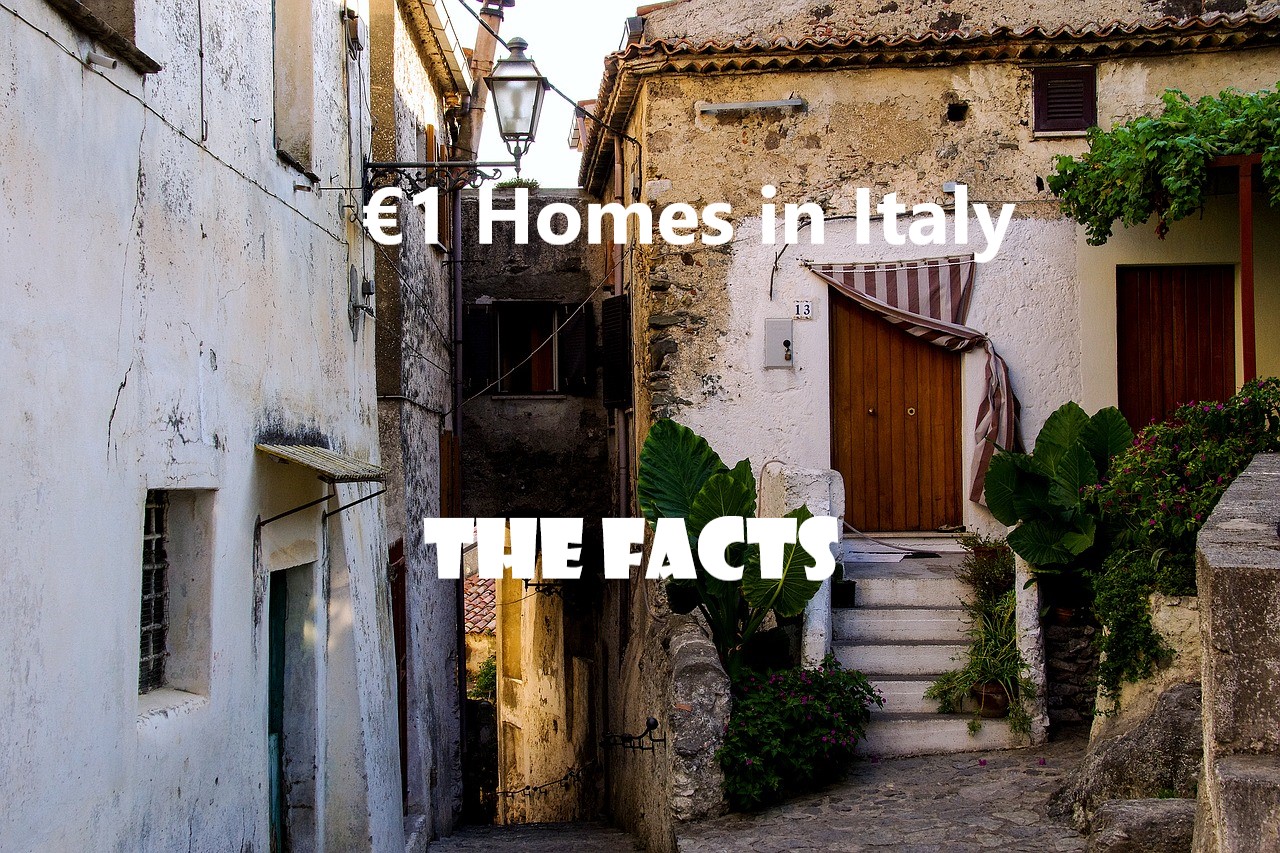
These have become more and more common over the years. I spent a long time looking into dozens of small towns promising houses for a euro; I contacted them all, or in some cases, tried to contact them. Many don't even bother to respond. You can read my rather shocking findings here.
Your Questions about Buying Property in Italy Answered
Can foreigners buy property in Italy?
Can foreigners buy property in Italy?
Yes, foreigners can buy property in Italy. Italy has no restrictions on property ownership for non-residents, and they have the same property rights as Italian citizens. However, certain restrictions may apply to citizens of non-EU countries buying agricultural land.
What are the legal requirements for buying property as a foreigner?
What are the legal requirements for buying property as a foreigner?
Foreigners need to obtain a tax identification number (codice fiscale) before purchasing property in Italy. Additionally, they should hire a notary to oversee the purchase process and ensure that all legal requirements are met.
Are there any additional costs or taxes associated with buying property in Italy?
Are there any additional costs or taxes associated with buying property in Italy?
Yes, there are additional costs and taxes associated with buying property in Italy. These may include registration taxes, notary fees, real estate agent fees, and value-added tax (VAT) if the property is new or recently renovated.
What are the typical closing costs involved in a property purchase?
What are the typical closing costs involved in a property purchase?
Closing costs in Italy can vary but typically include notary fees, registration taxes, and real estate agent commissions. These costs can range from 7% to 10% of the property's purchase price.
Join A Secret Italy and enter another world. A world filled with the forgotten little villages of Italy; hidden gems you'll seldom find elsewhere on the internet,
Bought a Property in Italy?
It would be most interesting and very helpful if you could share your experiences with me and my visitors.
What Other Visitors Have Said
Click below to see contributions from other visitors to this page...

My Dream...Owning Real Estate in Italy Not rated yet
I have long dreamed of owning real estate in Italy. With the financial crisis having its effects felt everywhere around the globe and having heard so much …
Please Book With Us... Maria here; if you enjoy my site, I'd love your support. Simply book your next trip anywhere (not only to Italy) via the link below or with any of the hotel links on the website.
You'll get the best deal available and the income I receive helps me to remain independent and to keep bringing you more of beautiful Italy.
You'll Enjoy These...
The Little Things That Always Take Me to Italy
Even far from Italy, these 15 unmistakably Italian things instantly bring back memories of la dolce vita, reminding me of Italy wherever I go.
Welcome to the 5 Best Cities in Italy
Experience Italy's magic: the mix of ancient soul and modern energy comes alive in these 5 unforgettable cities. Start your discovery of Italy's best cities...
Amazing photos of Italy: The Journey of a Lifetime
Over 8,000 amazing photos of Italy resulted from this incredible 10,000-mile journey through Italy. Sit back and enjoy the trip of a lifetime.
What makes Italy Special and Unique?
Discovered,18 experiences that make Italy special. Be it a tiny village of cobbled lanes or dinner in a medieval town you will find the best of Italy here...
The Most Gorgeous Italian Photo Galleries
For over 20 years I have been exploring Italy. I am now delighted to be able to share my photos and those of friends in these beautiful Italian photo galleries.
Where In Italy Do You Belong?
Where In Italy do you belong? Take this short quiz to find the answer! You may well be surprised. Got the result? Start planning your next vacation or big move.
Christmas in Italy? Everything You Need is Here!
Planning a Christmas in Italy? I have everything you need - advice on Italian Christmas traditions, insider tips, weather, great accommodation picks and...
THE Guide to Car Rental in Venice Italy
Car rental in Venice and elsewhere in Italy can turn into a nightmare. Read our 10 essential tips to ensure you avoid that nightmare from happening to you.
Orvieto - an Ancient Umbrian Town You Will Love
Life in Orvieto is lived well. In this beautiful town, one of Italy's loveliest, food, wine and simple pleasures are never taken for granted. Discover..
8 Must-See Places to Visit near Venice with Map
Visiting Venice? There is so much nearby too. So, don’t go missing these 6 incredible and unforgettable sights that will make your trip even more magical!
A Collection of Amazing Photos of Italy
Our followers send us a huge number of amazing photos of Italy. These have now been brought together in this stunning collection. You need to see this...
Stunningly Beautiful Images of Italy to Inspire Your Next Trip
I look at these beautiful images of Italy, and I feel like crying. I feel I am right there, I can hear the chaos of the piazza, the smell of jasmine...
The Most Famous Italian Songs of All Time:
A tribute to Italy’s most famous songs—iconic voices, unforgettable melodies, and music that captures the spirit of la dolce vita.
Have a Question about Italy?
Have a question about Italy? Let us answer it for you! For all Italian facts and figures, insider tips, or tourist advice, we'll try our best to assist.
The Best of Italy - 12 Things You Must Do!
12 ways to experience the best of Italy. No museums here, just essential experiences that will stay with you forever
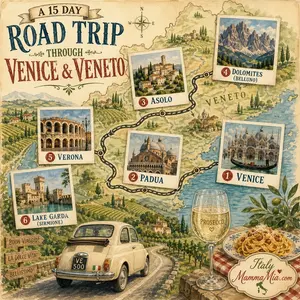
Venice and Veneto Travel Guide: The Itinerary You Can’t Miss
Go further than Venice with our Veneto itinerary—discover medieval towns, wine country, and breathtaking landscapes just a short trip away.
Italian Travel Bucket List: Unforgettable Must-Do Experiences
Your Italian Bucket List: I've all those unmissable experiences to try in Italy. My absolute favorite is number 14—it's truly a once-in-a-lifetime adventure.
The 11 Most Beautiful Towns in Italy
Discover Italy's best-kept secret: 11 breathtakingly beautiful towns and villages that will captivate your heart and leave you longing to explore more.
Slow Down and Savor the Magic of Italy Through Stunning Photos
Grab a coffee, settle in, and explore these photos of gorgeous Italy—a land where time slows, beauty surrounds you, and every moment is meant to be cherished.
12 Reasons to Move to Italy... Now!
Ready for a new chapter in your life? Discover 12 compelling Reasons to Move to Italy and immerse yourself in the beauty, culture, and joy of la dolce vita.
Why You Should Visit Bari Before Everyone Else Does
Bari is where the heart and soul of Puglia is to be found. Bari is real, Bari is vibrant and Bari is enchanting. Watch out for flying wooden spoons though...
Worry-Free Tours to Italy
Discover Italy with ease! We handle everything for group tours and events, from hotels to guided tours, ensuring a worry-free, unforgettable Italian experience.
The Best Luxury Hotels in Venice Italy
Experience Venice like royalty. My luxury hotel guide reveals the city's most elegant escapes—including the one the celebrities love most. You will love these..
8 Unforgettable Places in Italy
I've discovered 8 unforgettable places in Italy, from Puglia's sunlit shores to Piedmont's rolling hills. This is Italy at its most stunning—ready to explore?
7 Stunning Italian Coastal Towns You Must Visit This Year
Italy dreaming? Explore these 7 coastal towns with breathtaking views, charming lanes, and unforgettable seaside escapes. Perfect for lovers of Italy.







More Travel Tips:
- Grab a Saily eSim and save 10% with coupon code italymammamia10.
- Avoid the Lines. Book your tickets to museums and other attractions in advance on Tiqets.com
- Book your accommodation. Booking.com and Agoda help you to book accommodation in advance
- Book your excursions. Wherever you go, make the most of your time! Choose the best option for yourself on Viator or Getyourguide
- Book your car. At least a month before is best. Use Discover Car Hire.
- Get peace of mind when traveling. Get insured with VisitorsCoverage.com
- Home
- The Italian Real Estate Page