- Home
- Secrets of Venice
- Ghetto of Venice
Join A Secret Italy
You come to Italy thinking it will be a trip. You leave knowing it was a beginning
Jewish Ghetto of Venice
Time Magazine calls this one of the world's 100 most important places
A part of Venice’s history that is rather shameful. The Jewish or
Hebrew ghetto of Venice was the first ghetto for Jews in Europe and was
the place where the word first originated.
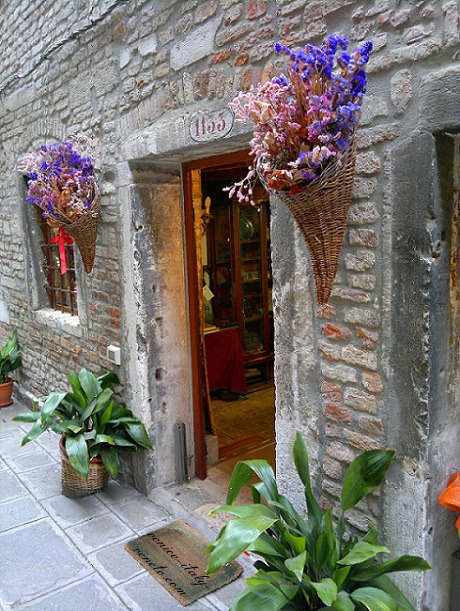
This once run-down and rather remote area in the Cannaregio Sestiere, a short distance from Venice's train station, was where Venice’s Jewish population were forced to live from the 16th century until the late 18th century when Napoleon lifted the restrictions on their movements.
Behind locked gates and under constant watch, the Jews of Venice were confined to a cramped, overcrowded quarter that bore no resemblance to the splendor of the surrounding city. By night, the gates were shut. Armed guards ensured no one left.
They could work—yes—but only beyond the ghetto’s walls and only by day. Travel was not a right. Citizenship was not granted. They lived in the same city as other Venetians and walked the same stone streets, but they were never seen as equals.
Still, they endured. They built upward when there was no room to build out. They created, studied, prayed, and preserved a culture that others tried to contain.
Despite this, the Jewish population grew to a peak of around 7000 before declining to only 500 after World War II and the Holocaust.
Now enjoying something of a revival, the Jewish Venice Association encourages Jews to return. Lately, the haven of peace that is Venice has seen Jews flocking here and elsewhere in Italy from the forever wars of the Middle East. They even have a Jewish school in the area—the first Jewish school in Venice in over fifty years—bookshops have started to open, and there is a kosher restaurant.
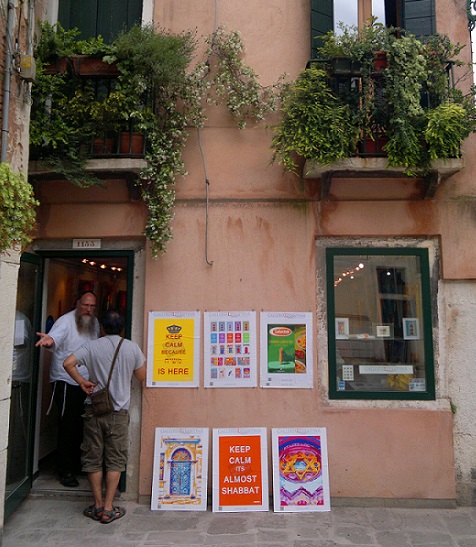
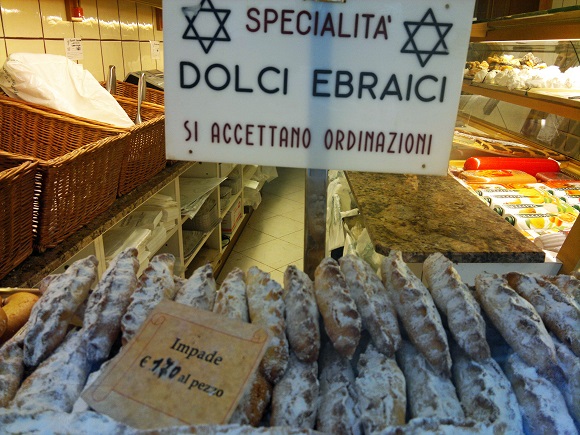
You'll find that a lot of the stores in the area cater to the local Jewish community too, with many selling traditional Jewish foods. So if you're craving a bagel, you might well find it here.
Cannaregio's ghetto is not a very touristy district of Venice. Apart from the many Jewish people, from the USA in particular, who make the journey to see an important part of European Jewish history, few visit. That is a mistake.
Even if you are not Jewish, it is still well worth visiting; you will find it a moving experience. The overriding impression here is of cramped buildings; because the area was small, the inhabitants were forced to live one on top of the other, but you can still feel the sense of community here.
The closeness brought people together then and still does today. This is one of the last authentic neighborhoods in Venice. Stroll around, and the sense of community still seems to be tangible. In fact, it is one of the few areas where you don't feel that Venice is primarily designed to cater for tourists. It's also lovely to wander around shops that aren't all selling tacky souvenirs.
Visit the Jewish Museum for a better understanding of what life must have been like here in previous centuries. Entrance to the museum is 4.50 euros.
The ghetto walks, undertaken by an expert on the history of the ghetto, are excellent, providing insights into life here both from an architectural and a historical point of view.
Then there are the five absolutely amazing old synagogues—each one a hidden masterpiece. Modest from the outside, but step inside and you're transported: soaring wooden ceilings, intricate gold detailing, and echoes of centuries-old prayers. These were not just places of worship but quiet acts of resilience, built upward and inward in defiance of the walls that confined them. If you want to visit the synagogues, you will only be allowed access with the guided tours, which cost 14 euros. They take an hour, with the first one starting at 10.30 a.m. and the last one at 4.30 p.m. Information is available at the museum.
Interested in learning more about the ghetto? Get a copy of Ghetto of Venice
Staying in the Ghetto
There is only one place in the Venice ghetto area that I can recommend. It is the Cannaregio Residence. The location is right on the edge of the ghetto and in a part of Venice where tourists seldom venture. By staying here you get to experience something 90% of tourists to Venice miss - the real Venice.
The Cannaregio Residence used to be a monastery and now the cloisters are an oasis of green and tranquility - a great place to return to after a day out in the hustle and bustle of the city.
Need a hotel elsewhere in Venice? I'd not hesitate to recommend these.
For more photos of the ghetto visit our galley here.
Please Book With Us... Maria here; if you enjoy my site, I'd love your support. Simply book your next trip anywhere (not only to Italy) via the link below or with any of the hotel links on the website.
You'll get the best deal available and the income I receive helps me to remain independent and to keep bringing you more of beautiful Italy.
You'll Enjoy These...
Frank's Personal Venice: Open your Eyes to the REAL Venice.
Frank's Personal Venice shares the heartbreaking journey of one man, Frank Nelson, and his efforts to understand the city. His moving story is a must-read.
Haunted Buildings in Venice - Ca' Dario - 10 Dead
As haunted buildings in Venice go Ca Dario is hard to beat. The number of people who have died after owning this building is shocking. You need to read this
What to Do in Venice: Attractions, Tours & Local Tips for Your Trip
Experience the real Venice. Skip the crowds and explore the Dorsoduro's secret corners—home to quiet canals, artisan workshops, and hidden courtyards.
Where to Stay in Venice: Ultimate Guide to Hotels and Neighborhoods
Find out exactly where to stay in Venice with our ultimate guide. Explore the top hotels, neighborhoods, and hidden gems for every type of traveler.
Discover Castello in Venice, Italy – The Heart of Local Life
Escape the busy streets near St. Mark’s Square and explore Castello, this is where Venice feels quiet and lived-in, with locals chatting in the squares and...
Visiting Burano Island - A Mini-Venice Colored Bright
When the crowds of Venice start getting on your nerves and your mood turns grey that's when you need to color your life bright... with a Burano island visit.
Venice in Summer: Must-See Sights & Tips
The canals sparkle, the light turns gold - summer is Venice's most beautiful season. Here's what most travelers don't know about visiting smartly.
A Virtual Journey in Photos through Venetian Life
Real Venetian life is lived far from the crowded tourist spots. Down the little canals and quite lanes is where you'll discover the real Venice.
Maps of Venice Italy - A Selection of Maps of this Beautiful City
Our page has all the maps you will ever need for Venice and Verona, but the real magic of Venice is not experienced with a map. It is getting lost without one.
The Climate in Venice Italy - The Best Time to Visit
From sunny days to acqua alta – this Venice climate guide covers the best and worst times to visit, monthly weather, and travel tips for every season.
The Ultimate Venice Vacation Rentals
Discover the finest Venice vacation rentals that allow you to experience the city like a local. Explore outdoor markets, cook with local produce, and...
Map of Veneto, Venice and the Veneto Spas
Looking for maps of Venice or Veneto? You’ll find them all here—Venice city maps, spa town guides, and a map of Veneto. Plus, lots of local tips and info.
Your Complete Guide to the Weather in Venice Italy
Wondering about the weather in Venice? Read our guide for everything you need to know about the Venice weather, plus advice on when to visit and what to wear.
Venice in Winter – Quiet, Misty, Unforgettable
They call it the secret season. A time when Venice returns to the mystical city it has been for centuries. Join us in discovering the magic of winter in Venice.
St Marks Basilica - Here is EVERYTHING You Need to Know
St. Mark’s Basilica in Venice explained: history, must-see features, visitor tips, and everything else to help you experience this famous Venice landmark.
Flights to Venice: The Essentia Bargain Finder Guide
All you need to know about flights to Venice, lots of tips, and an insider guide to the cities of Venice and Verona. However you get here make sure you do.
Amazing Photos of Venice Italy
Our site is dedicated to Venice Italy and the Veneto. This is our collection of some of the loveliest photos of Venice Italy.
Cheap Flights to Venice Italy - All the Options
Need cheap flights to Venice or Verona? Our essential guide finds the most economical routes and airports for your Italian adventure.
A Walk Through Jewish Venice: Culture, Memory, Resilience
Time Magazine calls it one of the world’s 100 most important places. The Venice Ghetto will move you—its beauty, sorrow, and hope etched in every stone.
The Metropole Hotel in Venice - what you need to know before you go
The Metropole Hotel in Venice has a perfect location and it is billed as one of the most romantic hotels in Venice. Is this the case? We expose the truth
Christmas in Italy? Everything You Need is Here!
Planning a Christmas in Italy? I have everything you need - advice on Italian Christmas traditions, insider tips, weather, great accommodation picks and...
Venetian Art - The Most Beautiful Paintings of Venice Italy
Venetian art is world famous and Venice has inspired artists for centuries. I have longed to be able to offer contemporary art that continues that tradition...
Unmasking Venice – The Beauty and Mystery of Carnival
Loved across the world, Venice Carnival masks are symbols of a festival recently voted one of the five best on Earth. Step into the celebration…
Why Visit Venice and the Veneto?
Think you’ve seen Italy? Not until you’ve stood in Venice or wandered the hills of the Veneto. This is the Italy from the movies—only now, it’s your story.
Venice Italy - The 6 Things you HAVE to See
Planning a trip to Venice and don't know where to start? We've simplified it for you. From St. Mark's to the hidden gems, here are the 6 sights you must see.




More Travel Tips:
- Book your tickets to museums and other attractions in advance on Tiqets.com
- Book your accommodation. Booking.com and Agoda help you to book accommodation in advance
- Book your excursions. Wherever you go, make the most of your time! Excursions with professional guides will help you do this - choose a location and the best option for yourself on Viator or Getyourguide
- Book your car. At least a month before is best. Use Discover Car Hire.
- Cash Back on Flights: Great deals & money back with WayAway
- Get peace of mind when traveling. Get insured with VisitorsCoverage.com
- Home
- Secrets of Venice
- Ghetto of Venice