- Home
- Why Visit Italy?
- Volcano Risk in Italy
Join A Secret Italy
You come to Italy thinking it will be a trip. You leave knowing it was a beginning
Understanding the Volcano Risk in Italy
💡 Ditch the roaming fees in Italy. Save 10% on your Saily eSIM with coupon code italymammamia10
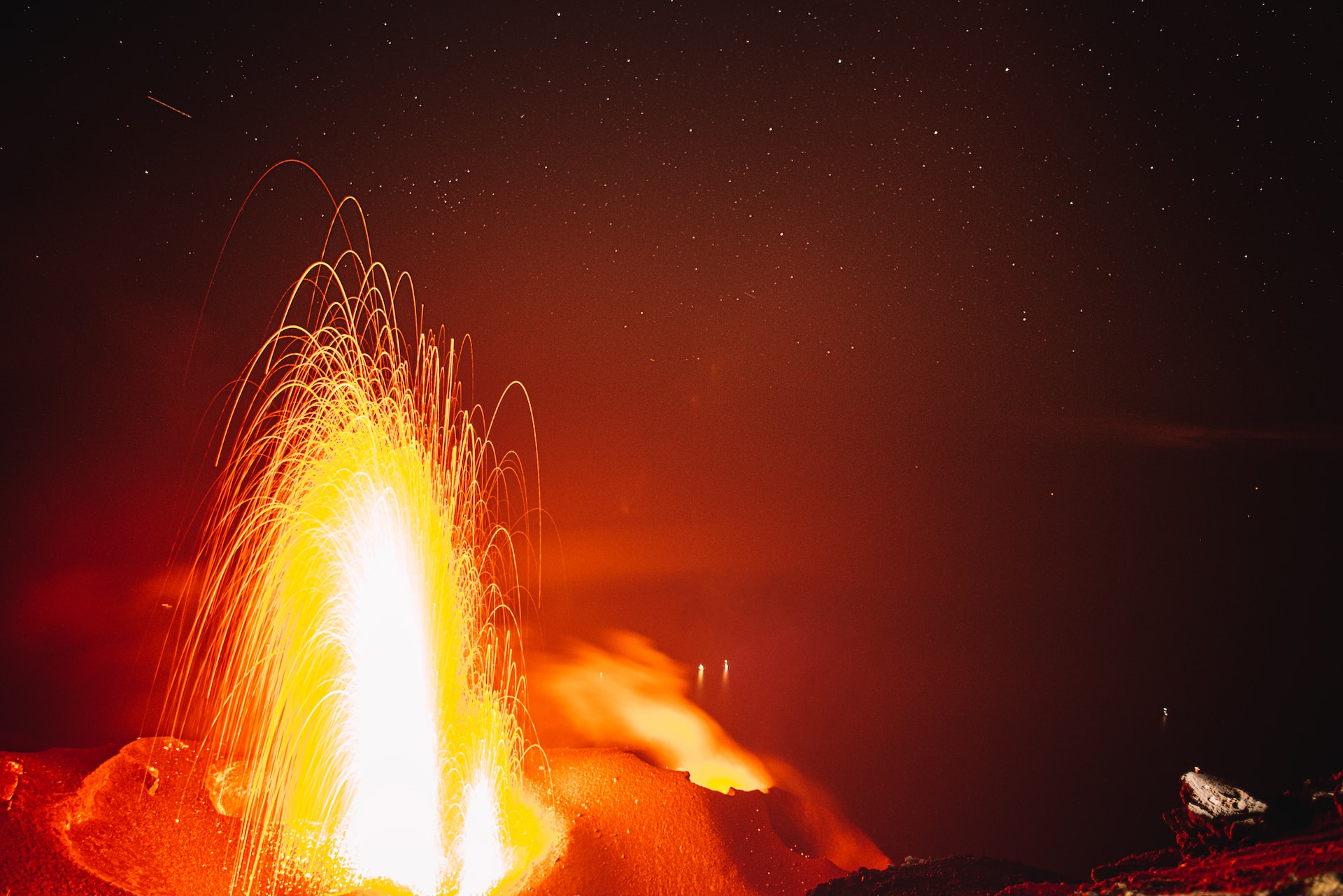
Italy is home to a remarkable collection of volcanoes, beautiful in many ways but also rather frightening. The raw power and unpredictable nature of these geological wonders are obvious to anyone who has ever visited Pompeii and seen the results of volcanic hell being unleashed upon the unsuspecting citizens of this once quiet and prosperous town.
So, is there a risk of your vacation city turning into the next Pompeii?
Well, the risks are absolutely tiny if you are visiting Italy on vacation. With most of these volcanoes, major eruptions only occur thousands of years apart, so they are unlikely to happen during the few weeks you are in Italy.
For me personally, it is not even a consideration when I travel within Italy. In fact, many of the best southern Italian destinations we feature are near volcanoes, and one of the great train journeys we feature on Traveling by Train in Italy is along the slopes of Mount Etna.
However, investing in real estate near these volcanic areas is a little different.
Buying your dream home in Italy can be daunting enough, with all those dubious 1-euro house minefields to navigate and much else too. That is why most people forget about earthquakes and volcanoes.
That's a mistake.
You need a thorough understanding of the associated risks. The stunning landscapes and panoramic views come at the cost of potential vulnerabilities. Lava flows, ashfall, and pyroclastic flows are just some of the hazards that can pose substantial threats to properties and safety. It is essential to take into account the potential impact of volcanic activity on infrastructure and property values.
It is crucial for prospective buyers to conduct extensive research, seek professional advice, and evaluate the volcanic risk factors meticulously. Understanding evacuation plans, monitoring systems, and the historical eruption patterns of each volcano can help make informed decisions while safeguarding lives and investments.
Italy's Most Dangerous Volcanoes
Mount Etna: Majestic and Unpredictable
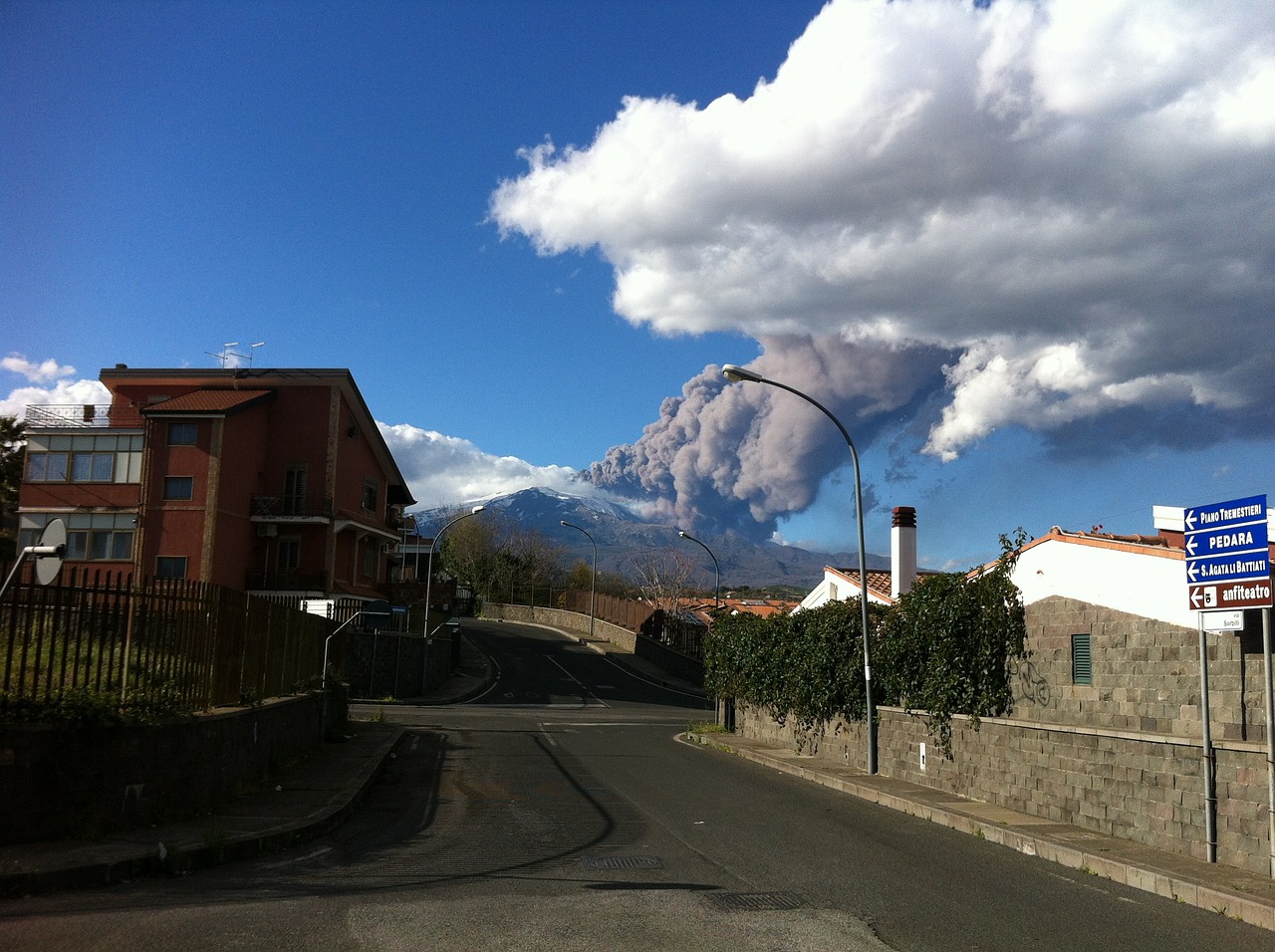
Rising majestically on the island of Sicily, Mount Etna is one of the world's most active and awe-inspiring volcanoes. Its towering presence, reaching an impressive height of 3,329 meters, commands attention and fascination. Etna's fiery temperament manifests in frequent eruptions, spewing lava fountains and ash plumes into the sky.
Mount Etna's eruptive history stretches back for thousands of years, leaving behind an intricate landscape of lava fields, volcanic cones, and ash-covered slopes. Despite the potential risks it poses, Etna continues to draw visitors who seek to experience the juxtaposition of danger and beauty.
Stromboli: The Lighthouse of the Mediterranean
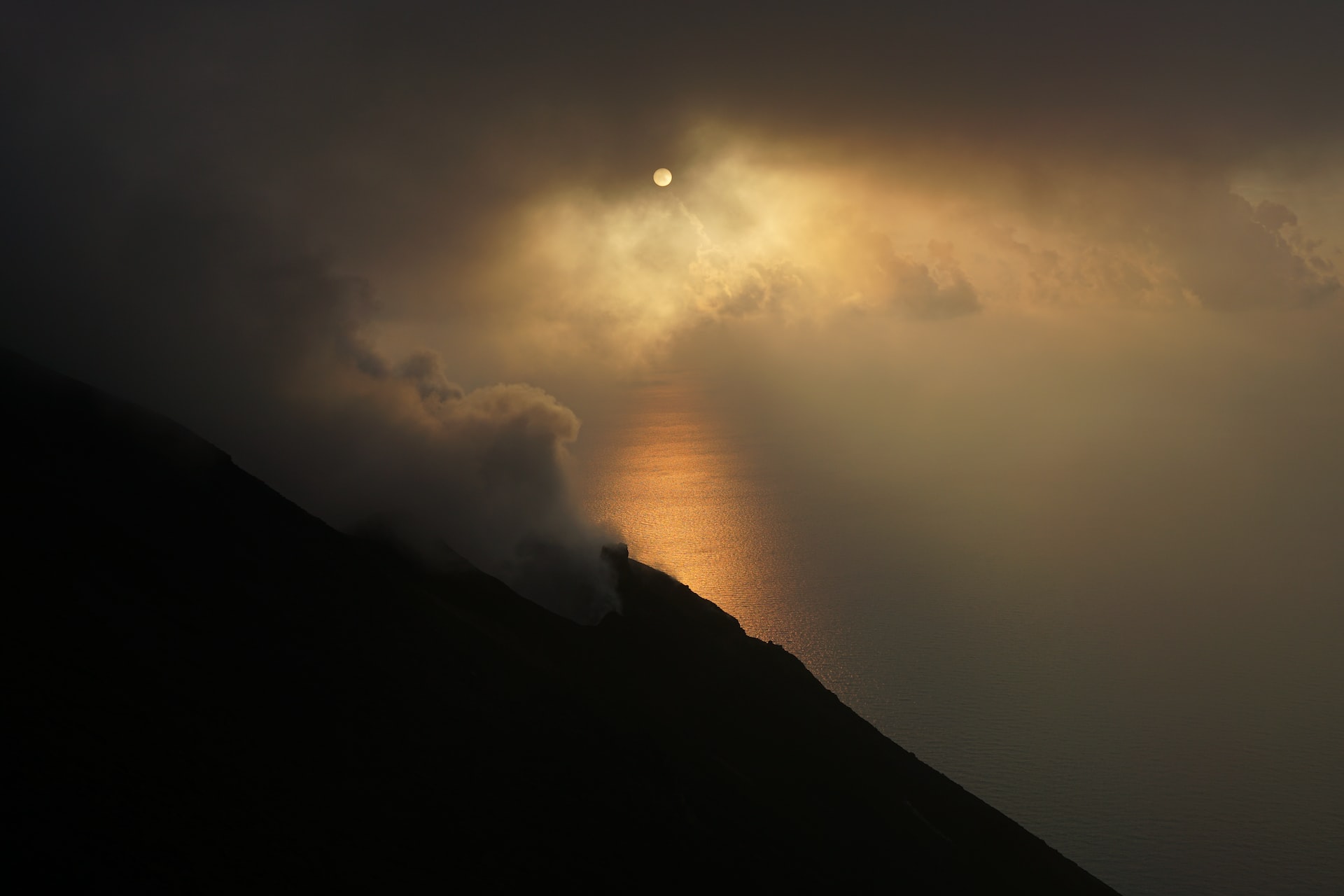
While the others sleep, Stromboli is wide awake. It’s Italy’s fiery heartbeat, the one they call the “Lighthouse of the Mediterranean.” This isn’t a mountain—it’s a living, breathing, roaring show that never, ever closes.
Forget what you know about eruptions. Here, the earth puts on a performance. It’s a rhythmic, pulsing symphony of fire. Every 20 minutes or so, the crater exhales, tossing glowing red rocks into the black night sky with a sound like God’s own thunder. This is “Strombolian activity”—named after the star itself—and it’s been this island’s dazzling, dangerous signature for centuries.
And yes, you can go up there. Imagine hiking under a canopy of stars, the smell of sulfur in the air, and your heart pounding not just from the climb. With a certified guide by your side, you’ll stand at the edge of the world and watch nature’s most primal fireworks display erupt right before your eyes. It’s humbling. It’s electrifying.
Vesuvius: The Destroyer of Pompeii
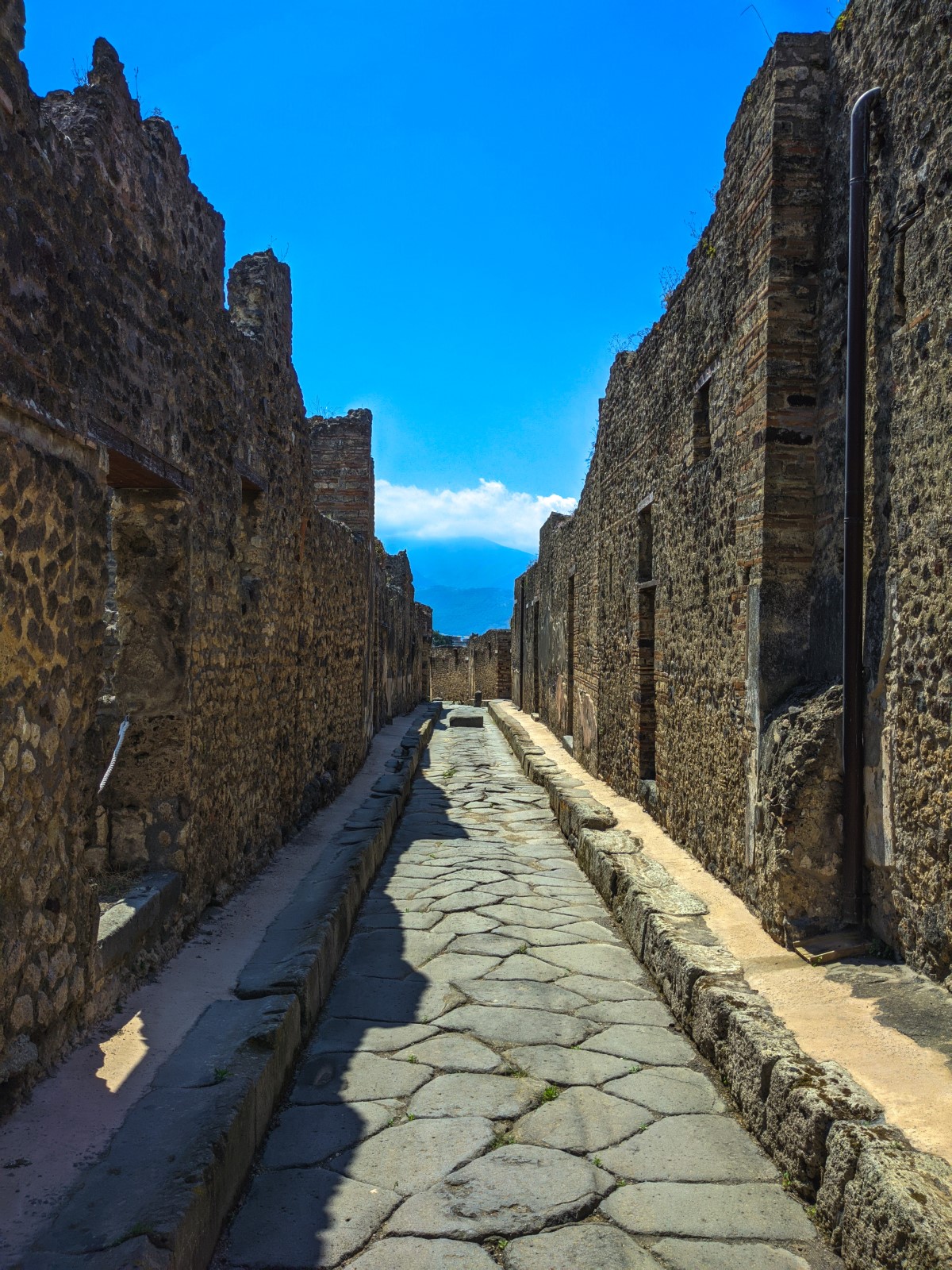
Nestled near the vibrant city of Naples, Mount Vesuvius looms as a reminder of the devastating power that lies dormant within. With its iconic, symmetrical cone shape and commanding presence, Vesuvius stands at the forefront of our collective imagination, forever etched in history due to its catastrophic eruption in 79 AD.
On that date the eruption of Vesuvius buried the bustling Roman cities of Pompeii and Herculaneum under layers of ash and volcanic debris. The tragic preservation of these ancient cities offers a unique window into the past lives of their inhabitants frozen in time. It is both horrifying and a warning: never become complacent if you live with a volcano in your backyard. It is a warning that the locals seem to have ignored, judging by how many people now live in and around Pompeii and Herculaneum.
Though currently dormant, Vesuvius remains an active volcano, monitored closely by scientists to detect any signs of reawakening. There are some good things about living near a volcano: the surrounding region, with its fertile volcanic soil, has been transformed into a thriving agricultural area, producing renowned wines and delicious tomatoes, the tastiest tomatoes on earth.
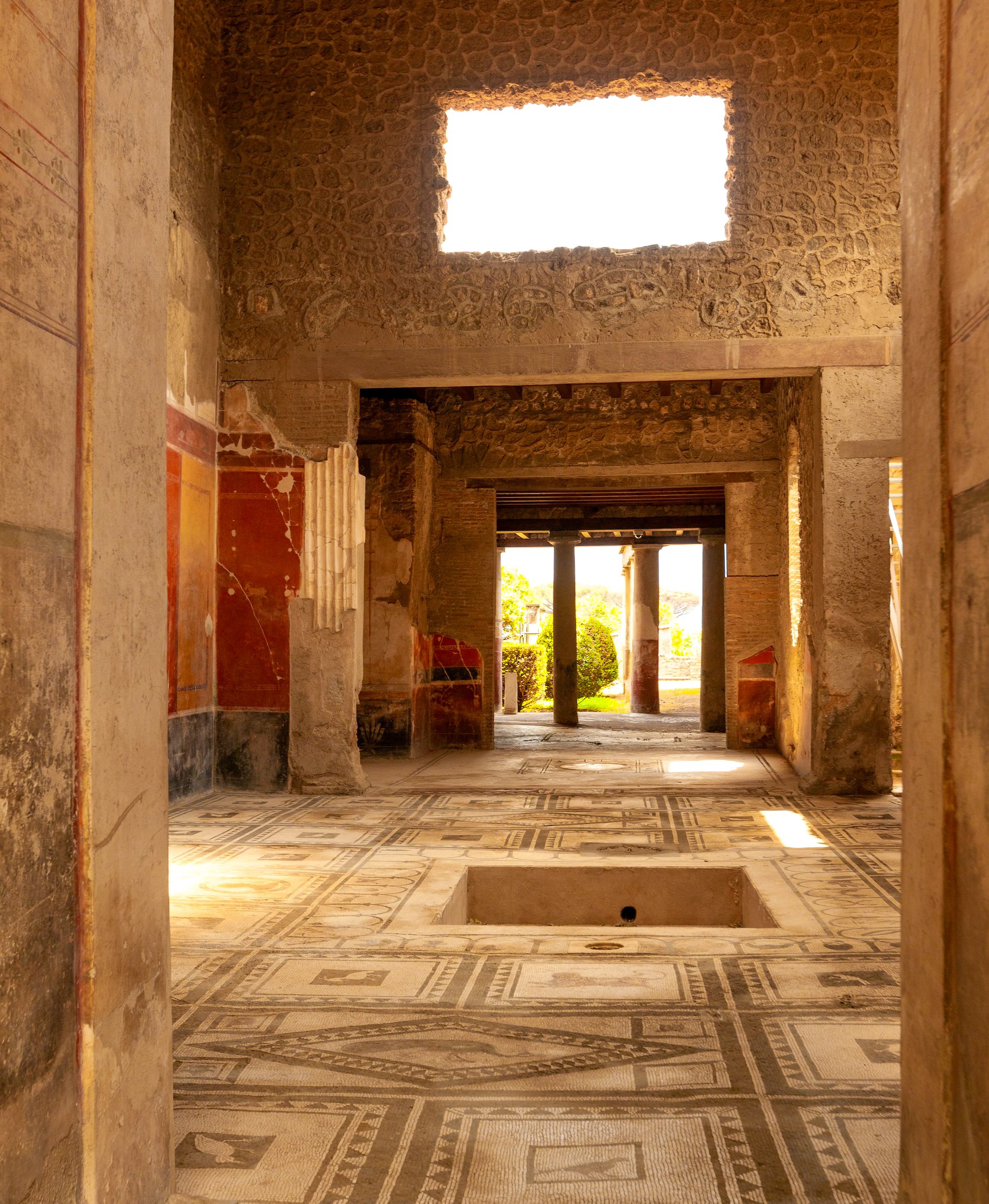 Villa in Pompeii
Vulcano: The Fiery Heart of the Aeolian Islands
Forget every postcard-perfect island you’ve ever seen. Let me introduce you to Vulcano. This place isn’t just named after the Roman god of fire—it is fire. It is the earth’s raw, simmering power, rising from the deep blue sea of the Aeolian Islands.
This island doesn’t whisper its history; it steams, bubbles, and rumbles with it. Everywhere you turn, the ground breathes. You’ll see hissing fumaroles, craters that smoke, and mud baths that bubble like a witch’s cauldron. And at its heart, the great Gran Cratere stands—a colossal, silent beast of a volcano, its slopes painted in unearthly shades of yellow and red.
The climb to its summit is a pilgrimage. It’s a walk across another planet, with the smell of sulfur thick in the air and your own pulse beating in your ears. But the reward? A view that steals your breath. From the top, you’ll see the entire Aeolian archipelago laid out like jewels on a velvet sea, a sight so magnificent it feels like a secret you’ve been let in on.
But Vulcano isn’t all thrilling danger. After you’ve stood on the edge of the crater, it invites you to sink into its famous, warm mud baths. It’s a paradise of contrasts—where you can test your spirit on a volcanic hike in the morning, and soothe your soul in a natural, therapeutic spa in the afternoon.
Campi Flegrei: A Sleeping Beast Awakens
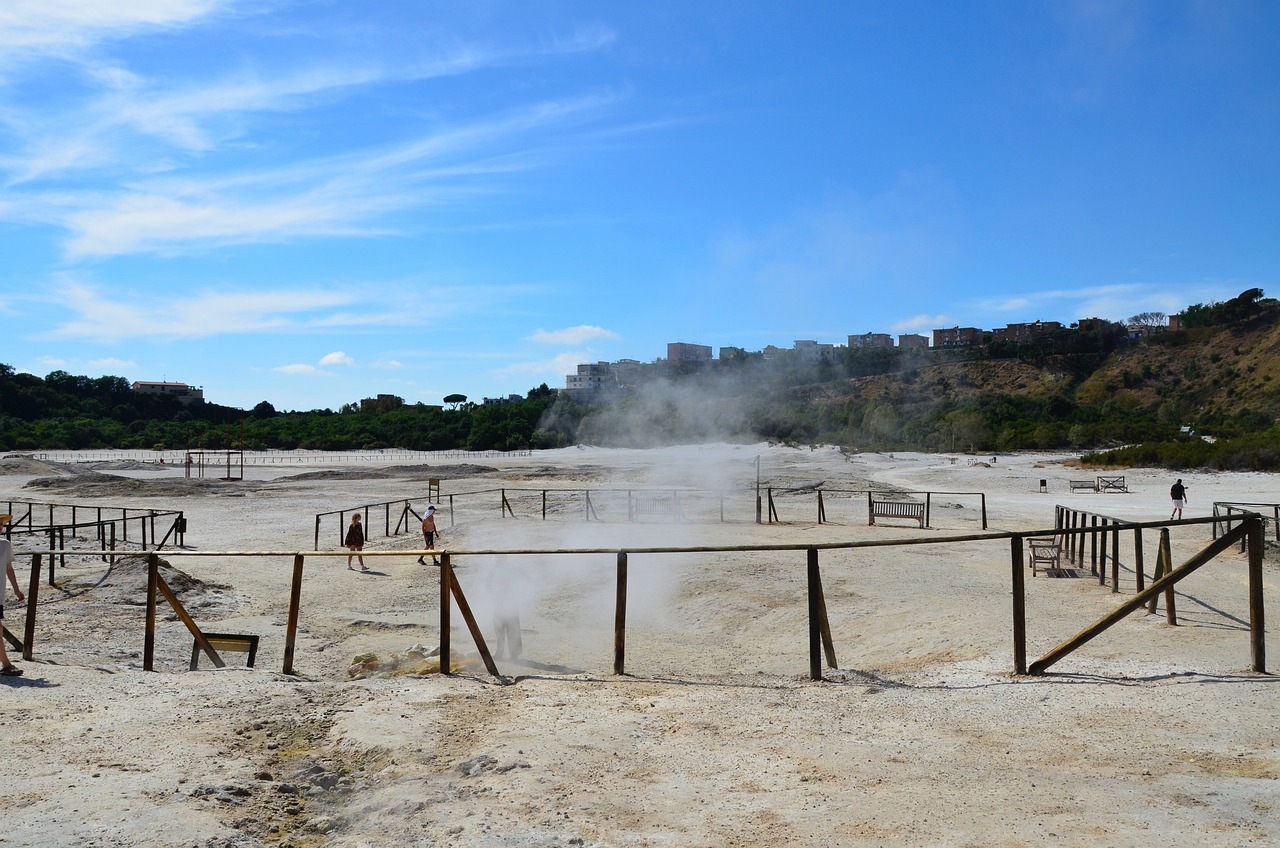
West of Naples lies the expansive volcanic complex known as Campi Flegrei, or Phlegraean Fields. Stretching over 13 kilometers, this caldera system encompasses a diverse landscape of volcanic features, including volcanic fields, hot springs, and volcanic lakes.
Despite its tranquil appearance, Campi Flegrei is currently under close scrutiny due to its "extremely dangerous" status.
The heightened risk associated with Campi Flegrei stems from its potential for a catastrophic eruption, which could have far-reaching consequences for all of the densely populated Naples metropolitan area.
A new study has revealed the very real danger of an eruption, and highlighted ground uplift and increased seismic activity, indicating the buildup of pressure beneath the surface. Nobody knows if and when it will erupt, but the risk is real. Very real. Such indicators highlight the importance of remaining vigilant and prepared in the face of potential volcanic threats.
Exploring the Campi Flegrei offers a glimpse into the intricate geological processes that shape our world. From the enchanting Solfatara, a geothermal field exuding sulfurous gases and boiling mud, to the mesmerizing Phlegraean Islands scattered in the Tyrrhenian Sea.
Which Towns in Italy Are "High Risk"
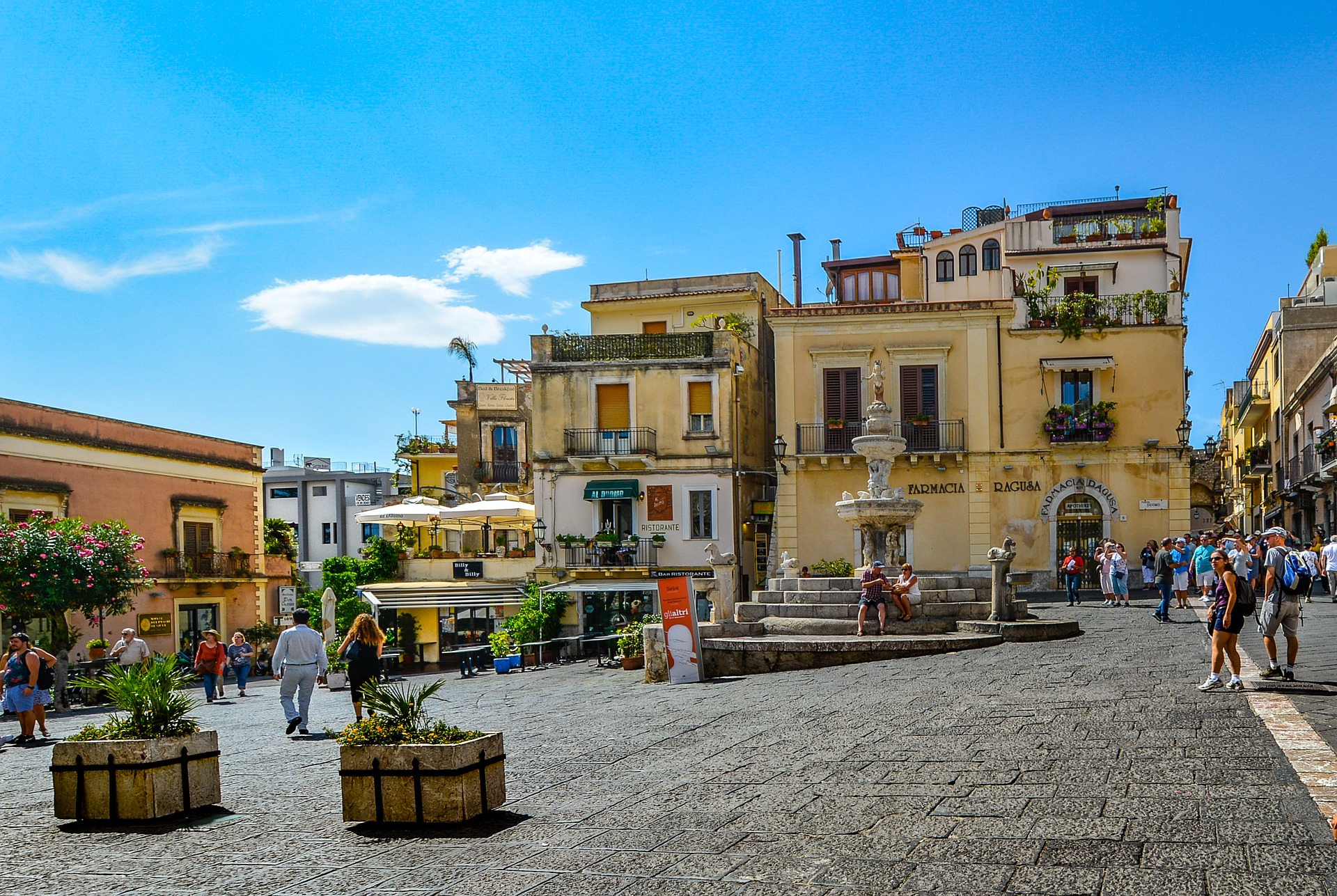 Taormina, one of the ""high risk" towns
While Italy has several volcanic areas, certain cities and towns are more vulnerable due to their proximity to active volcanoes. Here are some notable locations at risk:
Naples: As mentioned earlier, Naples lies in close proximity to the Campi Flegrei and Mount Vesuvius, making it one of the most at-risk cities in Italy. The metropolitan area of Naples is home to millions of people.
Catania: Located on the eastern coast of Sicily, Catania sits at the foot of Mount Etna, one of the most active and famous volcanoes in the world. The city and its surroundings face potential risks from volcanic activity, including lava flows and ashfall.
Taormina: Another Sicilian town at risk is Taormina, situated on the eastern coast near Mount Etna. While the town itself is not directly in the path of volcanic eruptions, it can be affected by ashfall and other associated hazards.
Pozzuoli: This coastal town near Naples is in the vicinity of the Campi Flegrei. With ongoing volcanic unrest in the area, Pozzuoli and its neighboring towns face potential risks such as ground uplift, seismic activity, and volcanic gas emissions.
Aci Castello: Located in Sicily, Aci Castello lies near Mount Etna and is susceptible to volcanic hazards. The town offers scenic views of the volcanic landscape but is also exposed to risks such as ashfall and lava flows.
Frequently Asked Questions:
Q: Which are the most active volcanoes in Italy?
Q: Which are the most active volcanoes in Italy?
A: Italy boasts several active volcanoes, including Mount Etna, Stromboli, Vesuvius, Campi Flegrei, and Mount Vulcano.
Q: Are there warning signs before a volcanic eruption?
Q: Are there warning signs before a volcanic eruption?
A: Volcanologists closely monitor seismic activity, gas emissions, ground deformation, and volcanic behavior to detect warning signs of potential eruptions. Currently, concern seems to be mostly about Campi Flegrei. Half a million people live in its shadow, in an area that experts have designated as the Red Zone.
Q: Has Italy experienced devastating volcanic eruptions in the past?
Q: Has Italy experienced devastating volcanic eruptions in the past?
A: Italy's history is marked by significant volcanic events, such as the eruption of Mount Vesuvius in 79 AD, which led to the destruction of Pompeii and Herculaneum.
Q: What safety measures are in place to protect residents near volcanoes?
Q: What safety measures are in place to protect residents near volcanoes?
A: Italy has established comprehensive monitoring systems, evacuation plans, and emergency response procedures to ensure the safety of residents in high-risk areas.
Disclaimer: The following article aims to provide information about the volcano risk in Italy. It is important to note that while every effort has been made to ensure the accuracy and reliability of the information presented, it should not be considered as professional advice. Before making any decisions regarding investments or living arrangements, it is highly recommended to consult with experts, local authorities, and conduct thorough research.
Please Book With Us... Maria here; if you enjoy my site, I'd love your support. Simply book your next trip anywhere (not only to Italy) via the link below or with any of the hotel links on the website.
You'll get the best deal available and the income I receive helps me to remain independent and to keep bringing you more of beautiful Italy.
You'll Enjoy These...
Paestum Italy: Your Guide to The Best-Preserved Greek Temples in Italy
Once a mighty city part of the powerful Greek empire, Paestum and it's archeological park is now a UNESCO World Heritage Site you definitely will want to visit.
Fiat 500: The Little Car That Became the Italian Dream
To many, a Fiat 500 is just a car. To me, it’s far more than that. It symbolizes a golden age in Italy’s collective memory. This is the story behind the legend.
9 Reasons You Must Visit San Nicola Arcella
Calabria has an undiscovered jewel, destined to be one of the top attractions. Here are 9 reasons to visit ASAP... before the world discovers San Nicola Arcella
The 10 Sights in Italy (Number 8 Will Surprise You)
Which are the top 10 sights in Italy? Some are famous, but others will surprise you! See the list and tell us how many you've checked off your bucket list.
Italy Is NOT all Chaos, Tourists and Noise. There IS another Italy.
Looking to escape the tourist madness of cities like Venice, Florence, and Rome? Longing to spend time in a quieter Italy? We have EXACTLY what you need!
Why Visit Pizzo in Calabria?
Other towns offer wine, olive oil or chocolate. In gorgeous Pizzo, they do gelato tastings—not just any gelato, but the world-famous Tartufo of Pizzo.
Things To Never Do in Italy... NEVER... EVER!
You want to make a good impression in Italy right? You don't want to be that typical tourist do you? Well, make sure you NEVER do any of these things in Italy
What to Do in Abruzzo: The Complete Guide
Uncover a wealth of experiences in Abruzzo, Italy. From soaring mountains to historic villages, savor nature, cuisine, and culture. Your ultimate guide awaits!
The Best Southern Italian Destinations
South of Rome we go on a journey discovering the very best Southern Italian destinations. You may know of some of them but others you have never heard of.
Ever Thought of Moving to Italy?
With the world in so much turmoil I am receiving more and more requests asking about moving to Italy. Is it a good idea? This is my answer to those questions..
Cilento Pictures, Holiday Guide and Travel Tips
These Cilento pictures capture a region that offers everything you could possibly wish for including majestic mountains, azure seas, ancient fishing towns,medieval villages and stunning beaches
This is Why I Love Positano on the Amalfi Coast and You Will Too
Positano on the Amalfi Coast is one of the finest, prettiest places on earth. Its picturesque landscapes remain with you long after you return home
The Definitive List of Where to Stay on the Amalfi Coast
The fragrance of jasmine & lemons in the air, colorful cottages tumble down to azure seas. You will love it here. This is where to stay on the Amalfi Coast.
Is it Safe to Travel to Italy? Honest Answers and Essential Tips
Wondering, "Is it safe to travel to Italy?" Discover essential safety tips, honest answers, and everything you need to know for a worry-free Italian adventure.
Gorgeous Photos of Positano, Amalfi, Tuscany and Venice
Many of our Facebook fans share their photos with us. These galleries are dedicated to the best of them. Photos of Positano, the Amalfi Coast, Venice and more.
Why You Should Visit Bari Before Everyone Else Does
Bari is where the heart and soul of Puglia is to be found. Bari is real, Bari is vibrant and Bari is enchanting. Watch out for flying wooden spoons though...
THE Biggest Mistake Tourists to Italy Make
THE biggest mistake tourists to Italy make is ... well, read the article for the answer and discover how you can avoid making the same mistake.
Where is the Best Beach in Italy?
A beach as beautiful as anything you'll find in the Caribbean or on the Greek Islands. So, where is this beautiful beach that we rate the best beach in Italy
Tropea: The Loveliest Small Town in Italy
It’s not every day a town is named the most beautiful in all of Italy—but Tropea earned that title. Trust me, one visit and you’ll know it was well deserved.
Calabria Uncovered: Where to Go, What to See, and Why It’s Worth It
Many don’t know where Calabria is in Italy, a region of charming coastal towns and authentic beauty. Not only find out—go visit. This is Italy at its best.
Rome & Amalfi Coast Itinerary: Your Dream Italian Vacation is Ready
Discover Italy’s best! Wander through Rome’s iconic landmarks, then escape to the Amalfi Coast for sun, sea, and stunning scenery—all in one trip.
Why Polignano al Mare Steals Every Heart
Polignano al Mare, Puglia’s dramatic cliffside town. I've all the local food secrets for you, plus those hidden views, train travel tips, and when to visit.
Where to Stay in Naples: A Guide to the Top Neighborhoods and Hotels
Wondering where to stay in Naples? We’ve got you covered! Explore the top hotels and neighborhoods offering everything from historic charm to seafront views.
A Story about War Memorials in Calabria and Italy
In every town here in Calabria that I have seen, there is a Monumento ai Caduti. A monument to the fallen, to their young men who gave their lives in wars
Polignano, Matera and the Hotel in a Cave
Polignano has to be one of Italy's best kept secrets. What an amazing little town. Then there is Matera where things get a little strange..






More Travel Tips:
- Grab a Saily eSim and save 10% with coupon code italymammamia10.
- Avoid the Lines. Book your tickets to museums and other attractions in advance on Tiqets.com
- Book your accommodation. Booking.com and Agoda help you to book accommodation in advance
- Book your excursions. Wherever you go, make the most of your time! Choose the best option for yourself on Viator or Getyourguide
- Book your car. At least a month before is best. Use Discover Car Hire.
- Get peace of mind when traveling. Get insured with VisitorsCoverage.com
- Home
- Why Visit Italy?
- Volcano Risk in Italy